
Back to School: How Vision Skills Support Learning
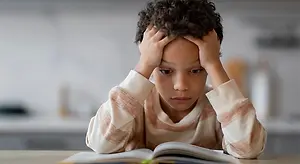
A school day keeps your child’s eyes busy. They read, look across the classroom, copy from the board, return to their notebook, and find their place again. Screens add another visual demand.
Clear eyesight matters, but it is only one part of effective vision. Children also rely on tracking, focusing, eye coordination, and other visual skills throughout the school day.
At Eyes on Cypress, pediatric eye care in Cypress, TX, evaluates how a child sees and uses their vision. For children with progressive nearsightedness, myopia management focuses on slowing its progression over time.
Knowing the difference can help you understand patterns that appear during homework or in the classroom.
How Vision Skills Support Your Child at School
Reading asks the eyes to move smoothly across each line, work together, and find the beginning of the next line. Your child also needs to keep words clear during sustained close work.
When the teacher points to the board, your child shifts focus from near to far, reads the information, looks back at their desk, and finds the correct place on the page. Their eyes repeat this process throughout lessons, worksheets, reading assignments, and screen time.
These demands repeat throughout the day. When a visual skill requires extra effort, reading, writing, or other schoolwork may become tiring.
School Vision Signs Parents Should Watch For
One behavior rarely tells the whole story. Repeated patterns during visually demanding tasks can give parents and teachers useful clues.
You may notice that your child:
- Loses their place or skips lines while reading
- Uses a finger to keep their place
- Finds copying from the board harder than nearby work
- Rubs their eyes during homework
- Reports headaches after reading or screen use
- Takes frequent breaks during close-up work
- Has trouble shifting between the board and their desk
- Starts homework comfortably but loses stamina over time
Attention may enter the picture, too. A child who uses extra effort to keep words clear or maintain their place may become tired during a lesson. Reading and attention concerns can have many causes, so these patterns can provide clues, rather than a diagnosis on their own.
Why 20/20 Eyesight May Not Tell the Whole Story
A child can read the required line during a vision screening and still struggle with some classroom tasks.
Visual acuity describes how clearly someone sees at a given distance. A screening that checks distance eyesight may provide valuable information while leaving other visual skills unexplored. Classroom vision also depends on skills used to read, focus, and move between visual targets.
A comprehensive pediatric eye exam can evaluate areas such as:
- Eye tracking across a page
- Coordination between the two eyes
- Sustained focus during near work
- Shifting focus between near and far
- How vision functions during everyday visual tasks
Eye coordination describes how both eyes aim and work together as a team. That is why clear eyesight and comfortable, efficient vision are not always the same thing.
Myopia and Functional Vision Skills Are Different
Myopia, or nearsightedness, makes distant objects look blurry. A child with myopia may squint at the board or move closer to see something across the room. If myopia progresses, an eye doctor may recommend myopia management after evaluating the child.
Tracking, focusing, and coordination involve how the eyes work together during visual tasks. A child may see letters clearly but still have difficulty moving smoothly across a sentence, maintaining focus during close work, or coordinating both eyes.
This distinction matters because blurry distance vision and functional vision concerns may require different recommendations. One child may need clearer distance vision, while another may need further testing of how their visual system performs during close work. Some children may have concerns in both areas.
When Should Your Child Have a Pediatric Eye Exam?
School difficulties can have many causes, including reading ability, attention, sleep, classroom demands, and other factors. Vision is one part of that larger picture.
A comprehensive pediatric eye exam may provide useful information when you notice repeated concerns during reading, board work, screen use, or other visual tasks. Patterns become especially useful when you can identify which activities bring on the difficulty and how often it happens.
The eye doctor can assess eyesight, eye health, focusing, tracking, and coordination. Depending on the findings, recommendations may include glasses, monitoring, myopia management, or further evaluation.
If testing identifies concerns with specific visual skills, the eye doctor may discuss vision therapy and binocular vision care as a possible next step. Vision therapy addresses visual function, not learning disabilities, and an eye doctor may recommend it only after an evaluation identifies an appropriate visual concern.
Pediatric Eye Care in Cypress, TX
The classroom asks your child’s eyes to switch jobs throughout the day. Noting when difficulties happen can give your eye doctor useful context. Trouble seeing the board, for example, may point to a different concern than symptoms that appear after sustained reading.
Eyes on Cypress focuses on understanding how the eyes and brain work together while considering the whole child. Parents, teachers, and eye doctors each see a different part of a child’s day, so those observations can help build a fuller picture.
If visual concerns continue to appear at school or during homework, schedule a comprehensive pediatric eye exam with Eyes on Cypress in Cypress, TX. A detailed evaluation can help your family understand which parts of your child’s vision deserve attention and what next step fits the findings.
Children’s Vision and School FAQs
Yes. Visual acuity is only one part of an eye exam. An eye doctor may find a prescription or another vision concern even when a child can read the 20/20 line.
Yes. Longer reading assignments, smaller print, more screen use, and frequent shifts between near and far can place greater demands on a child’s visual skills.
Ask when difficulties appear and which tasks seem hardest. Details about reading stamina, copying from the board, screen use, or losing a place can give your eye doctor useful context.